MCR genes in WWTP liquid and air
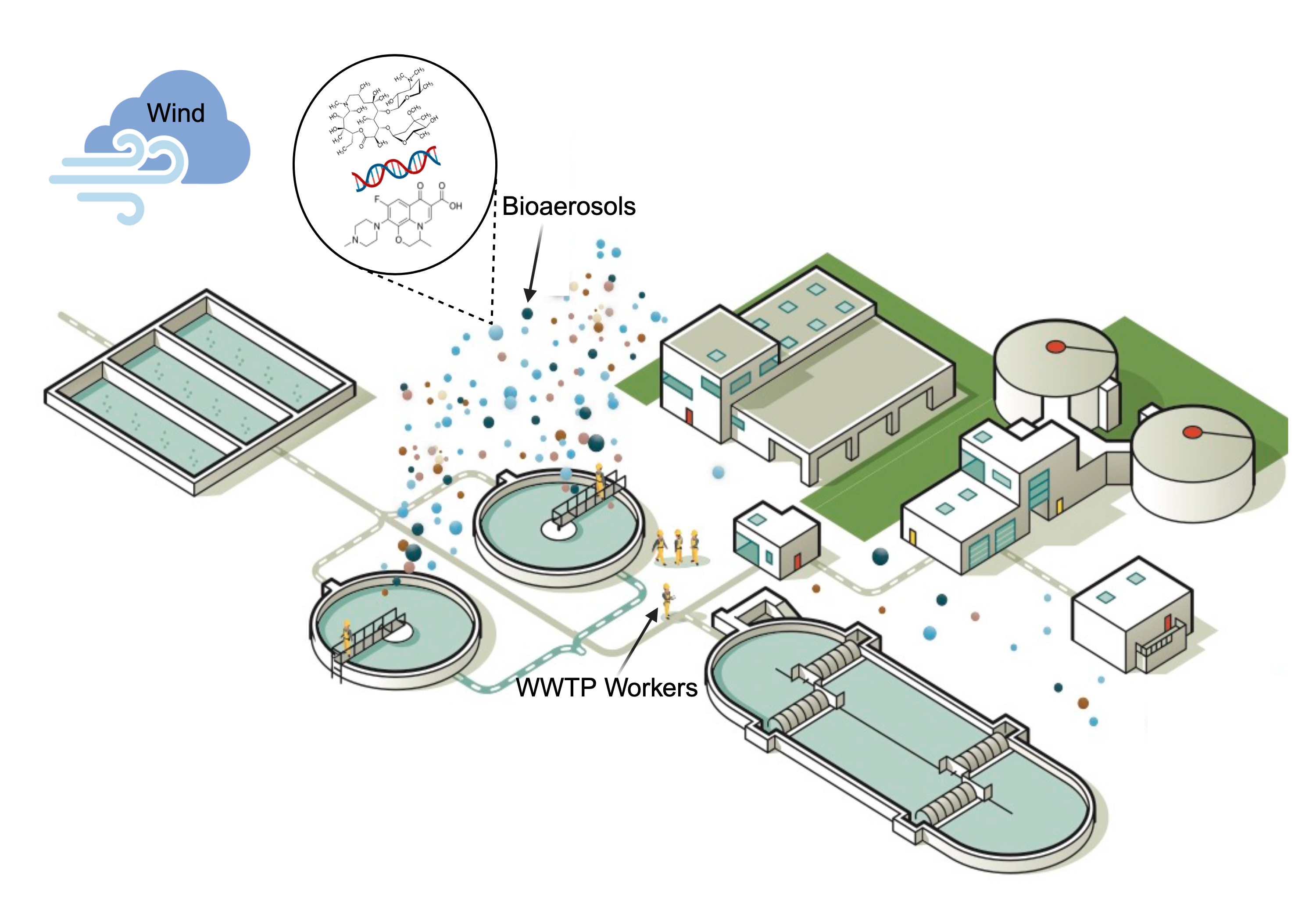
In this study, a metagenomics approach using DNA shotgun sequencing, metagenome assembly, and antibiotic resistance gene (ARG) annotation was used to examine seasonal patterns in the abundance of mobile colistin resistance (mcr) gene variants in bioaerosols and liquid sludge in three wastewater treatment plants (WWTPs). ARGs represented 0.2–0.8 and 0.1–0.2% of the bioaerosol and liquid sludge metagenomes, respectively, while mcr genes represented 0–0.3 and 0–0.5% of the identified ARGs in bioaerosol and liquid sludge metagenomes. Seven of the ten known mcr variants were detected in wastewater bioaerosol and liquid samples, with mcr-5 and mcr-8 being the most prevalent across all seasons and sites. Additional functional and taxonomic annotation of mcr-containing metagenomic contigs showed that mcr genes were often located on contigs with other co-occurring ARGs and mobile genetic elements and may be harbored by opportunistic human pathogens and other bacterial taxa not previously associated with mcr genes. Atmospheric dispersion modeling showed that mcr-containing bioaerosols can be transported kilometers away from the WWTPs, resulting in the possible dissemination of these ARGs into surrounding environments and communities.
ARGs in WWTP bioaerosols
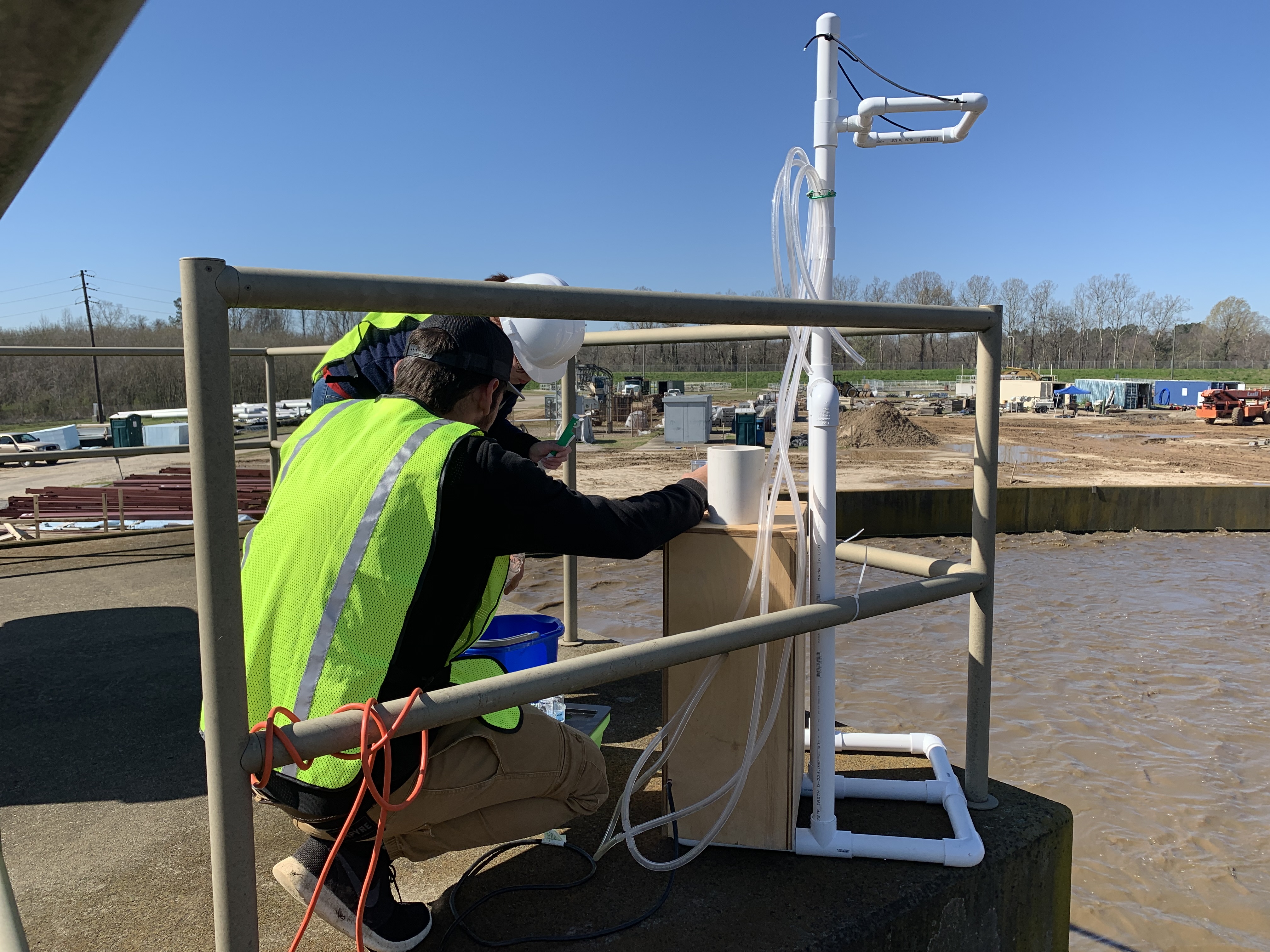
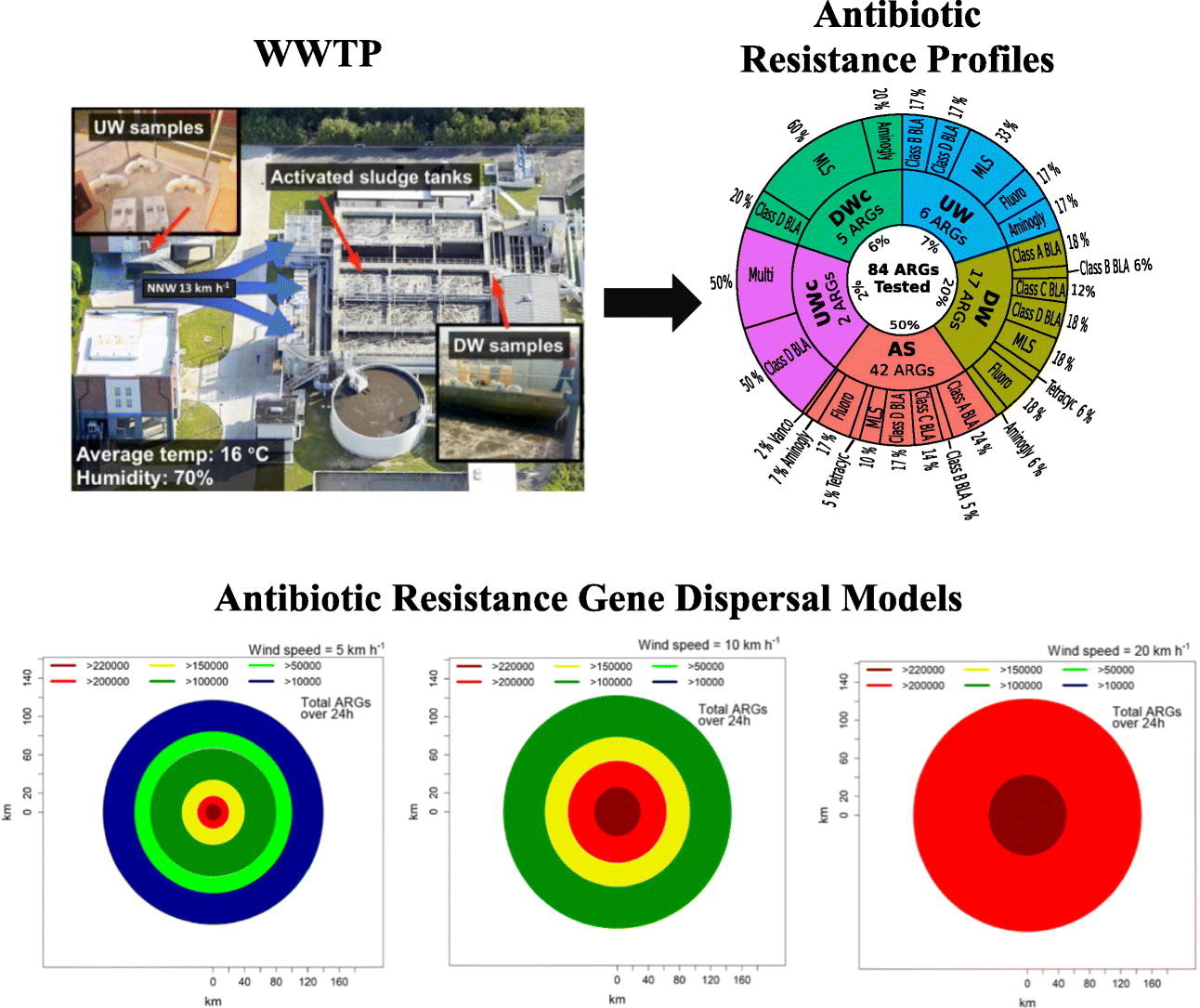
The aim of this study was to better define the contribution of WWTP bioaerosols to potential environmental distribution of ARB/ARGs. Bioaerosols were collected immediately upwind and downwind from the aeration tanks of a municipal wastewater treatment plant and liquid sludge samples were obtained from the aeration tanks. From the bioaerosol and liquid samples, qPCR assays identified 44 ARGs that confer resistance to a wide range of antibiotics. Comparison of the ARG profiles across samples showed that the downwind bioaerosol profile was 68% similar to the profile found in liquid sludge samples. Community 16S rRNA gene sequencing also showed that downwind bioaerosols had similar taxonomic profiles as those generated from liquid sludge while the upwind profiles showed a distinct difference. Preliminary ARG dispersion modeling estimated an ARG emission rate of ~10,620 genes per hour from the liquid sludge and indicated that the bioaerosols have the potential to be carried kilometers away from the WWTP source based on wind speed. The overall results from this study suggest that bioaerosols generated during WWTP processes can aid in the emission and dispersal of bacteria and ARGs, resulting in a possible route of human exposure and deposition into surrounding environments.
HT-Treament of wastewater biosolids for ARG mitigation
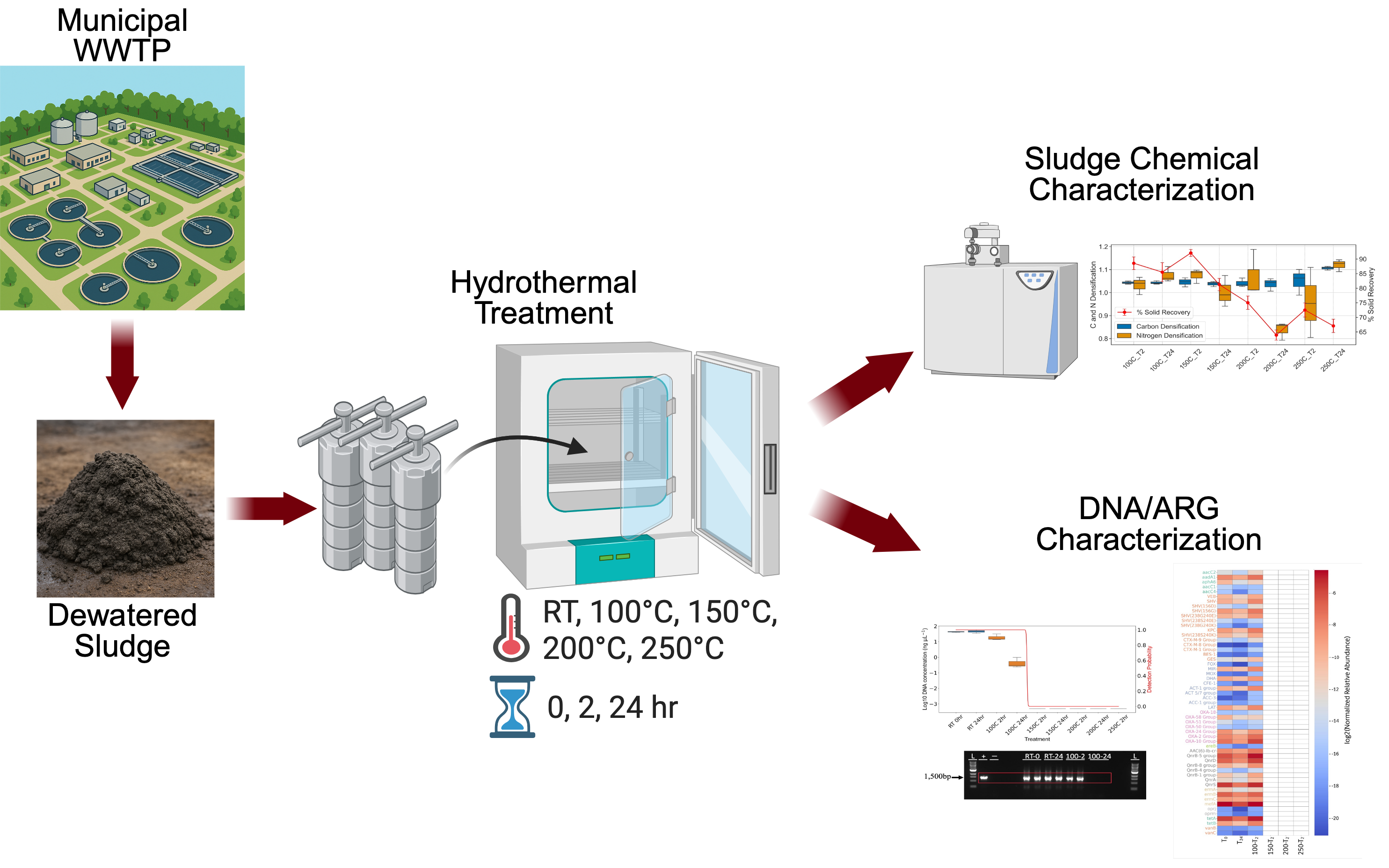
Wastewater treatment plants (WWTPs) are key reservoirs of antibiotic resistance genes (ARGs), with municipal sludge containing high bacterial densities and diverse ARGs that may spread through land application. Hydrothermal treatment (HT) is a process that inactivates pathogens and stabilizes biomass, but its performance at moderate temperatures is less understood. We evaluated HT (100°C–250°C; 2–24 h) for degrading bacterial DNA and ARGs in dewatered municipal sludge. DNA was quantified by fluorometry, bacterial presence confirmed by 16S rRNA gene PCR, and ARGs profiled by qPCR targeting 84 clinically and environmentally relevant genes. HT up to 250°C produced modest carbon densification, high solids recovery and low gas yields. DNA persisted at 100°C but was undetectable at ≥ 150°C for 2 h, with complete ARG removal. These findings demonstrate that moderate HT effectively eliminates DNA and ARGs while preserving nutrient value, supporting its potential as a sustainable, scalable sludge sanitation strategy to mitigate ARG risks.
Video: Students setting up the air sampling system
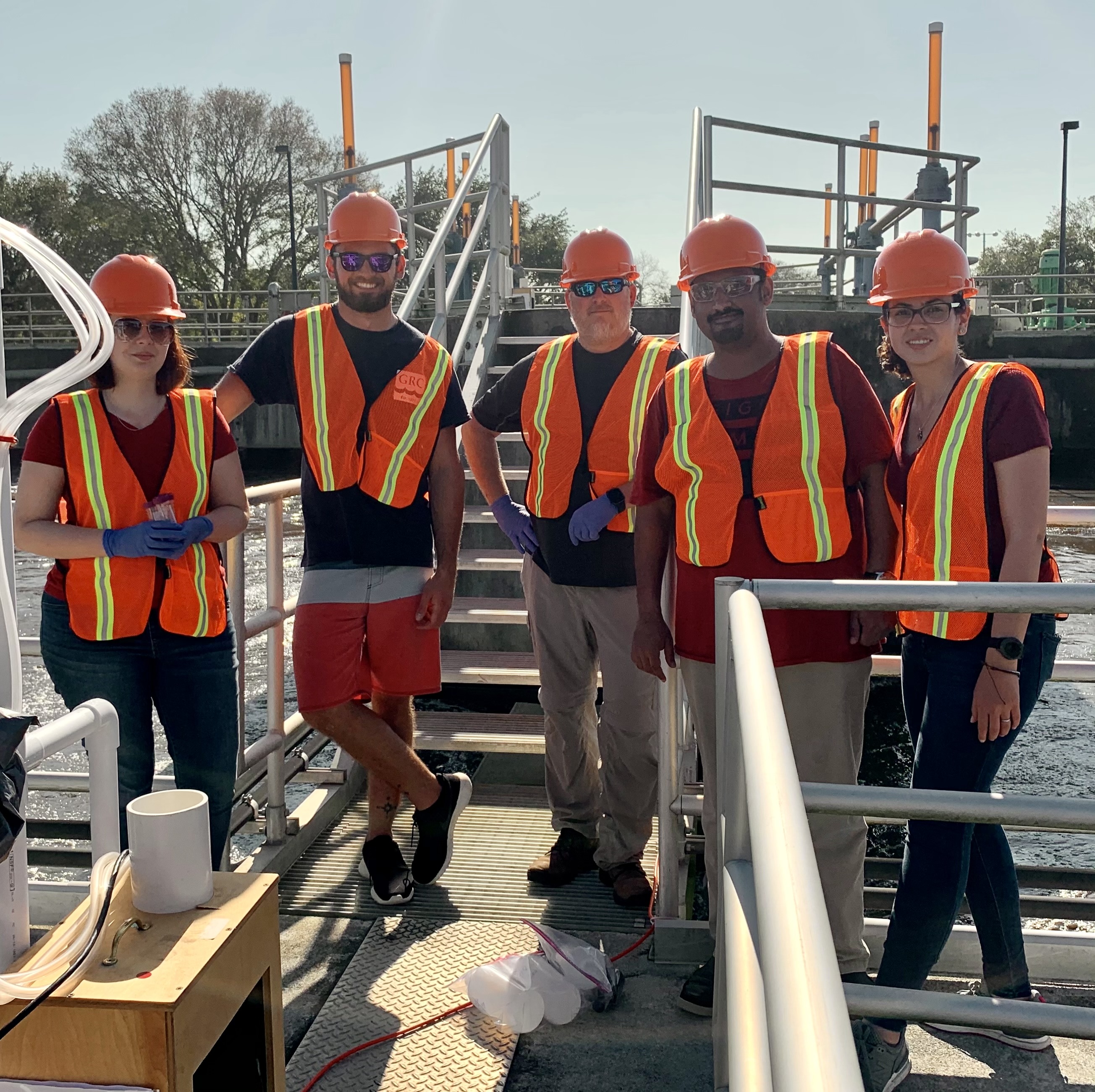
This video shows the Norman lab students setting up the liquid impinger air samplers on custom made stands that place the impingers at breathing zone height. The samplers are being placed on the platforms above the WWTP activated sludge surface agitation tanks. This video demonstrates how large quantities of bioaerosols can be generated during wastewater aeration.